
- CNC Turning and Milling Components *
- Brass Turned Components *
- Steel Components *
- Alluminum Components *
- Brass Sensor Parts *
- Brass Temprature Meter Parts *
- Brass Casting Components *
- Brass Forging Parts *
- Brass Fittings *
- Copper Components *
- Brass Auto Components *
- Brass Valves & GAS Parts *
- Brass Inserts *
- Brass Electrical Components *
- Brass Electronics Components *
- Brass Cable Gland *
- Brass Presure Gague Components *
- Brass Agro Parts *
- Brass Anchors *
- Brass Battery Terminal *
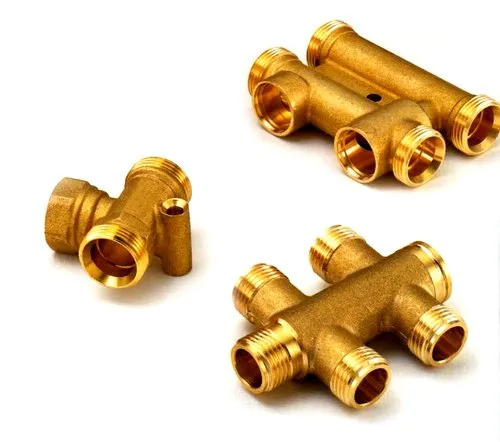
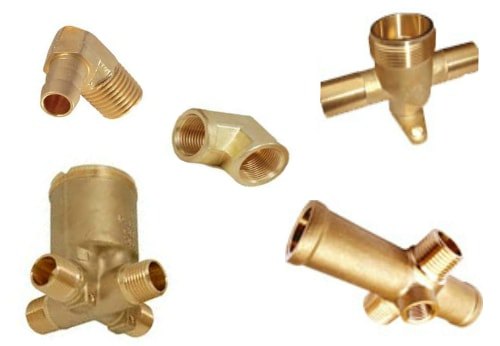
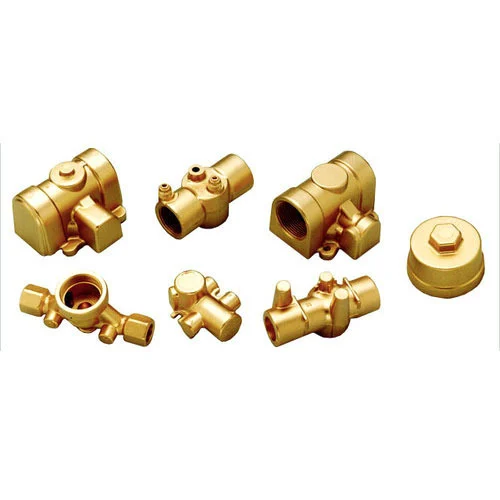
Empire Precision takes pride in offering a wide array of Brass Forging Components. Moreover, made from high-quality brass materials, our forging components are meticulously crafted to ensure exceptional strength and durability. Whether you require plain brass, nickel-plated brass, or plastic components, we have a comprehensive range available to meet your specific needs. Additionally, our brass products are designed to deliver reliable performance and withstand the test of time. Furthermore, our commitment to quality ensures that you can trust in the durability and functionality of our Brass Forging Components
What is Brass?
Brass is a metal alloy that consists primarily of copper and zinc. The mechanical properties of brass depend on percentage of zinc along with several additional elements, which can vary significantly. Brass is harder and has a lower melting point than copper, but it has excellent working properties, and brass forgings are excellent for many end uses.
The Brass Forging Process
As a leading brass forging company, Queen City Forging uses the application of heat and pressure in the forging and forming processes to shape and enhance metallurgical properties, ensuring every brass component meets or exceeds the design requirements. The forging process ensures durability of safety critical components in the most severe service conditions.
Ordering brass bar stock to the specified alloy composition in one of the many forms and shapes available is the typical first step in the brass forging process. Saw cutting provides blanks, sometimes called slugs, that then enter the forging or forming process. Some grades of brass alloy may be processed at room temperature, but it is most common for slugs to be heated to improve formability. Temperature for hot forging is usually in excess of 1000 degrees F but both the alloy and complexity of the configuration will determine the exact process requirements.
Forging
In the brass forging process, the cut slugs are placed between dies and force is applied as the dies are pressed together. This forces the brass slug to flow, while remaining solid, to fill cavities in the dies creating a new shape configuration and enhancing the material properties.
Trimming
To assure a complex die cavity is filled, excess material flowing out of the cavity is trapped in a narrow “flash land”. This assures sufficient pressure to force material to fill the cavity but not damaging the die, the forging equipment or the part being forged. The excess material, called “flash” extends around the forging at the “parting line”, the location the dies meet when pressed together. A process called “trimming” removes this flash.
Cleaning the Forgings
Typically, residual oxides formed during heating or lubricants used during the forging process will discolor the surface of the brass forged component. Discoloration is often removed by vibratory or blast cleaning with abrasives, depending upon the surface finish required. These processes may also remove or smooth any remaining burrs from trimming operations.
Testing and Certification
Testing requirements vary with customer specification based on product end use, but it is typical to provide certifications of conformance of compliance to the process design along with evidence of the alloy used and measurements taken during operations. This step in the process helps ensure the quality and durability of brass forged parts and components.
Packaging and Delivery
Brass is a relatively soft material compared to iron-based alloys such as steel and stainless steel. Often there are cosmetic requirements or a need to protect surfaces from further damage during shipping that require brass forgings to be specially packaged. Queen City Forging provides packaging materials and methods to assure product arrives intact and undamaged whether across the state or across an ocean.